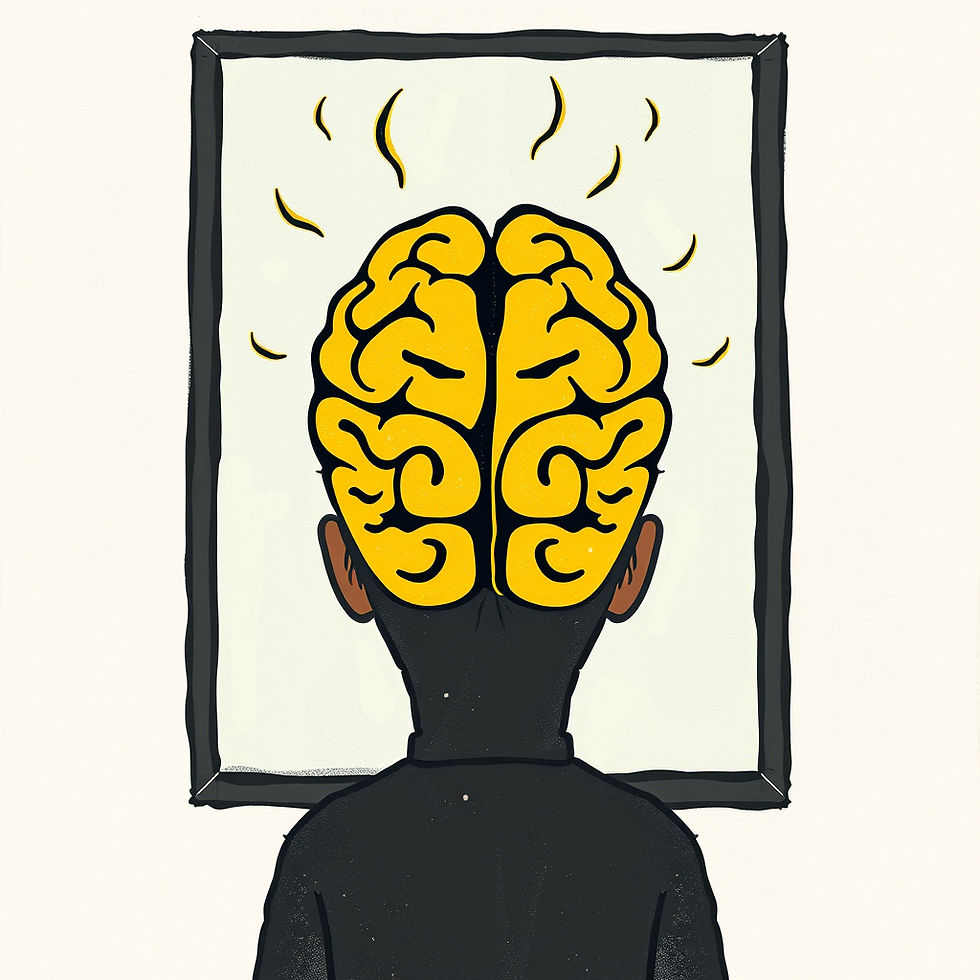
Women over 40- it's not just in your head- Perimenopause and Menopause deeply affect your mental health.


You're Not Losing Your Mind. Your Hormones May Be Changing.
For many women, their 40s and 50s bring unexpected emotional changes. You may suddenly feel more anxious, find yourself getting irritated over things that never bothered you before, struggle to sleep, or feel less interested in intimacy. I understand this all too well as I'm in my 40s. Sometimes I even say to myself "Why don't I feel like myself anymore?"
While it's easy to attribute these changes to stress, work, relationships, or the demands of everyday life, there may be another important factor: your hormones. Perimenopause and menopause significantly affect our brain, nervous system, and emotional well-being. As a Holistic Psychotherapist with over 20 years of experience, I believe it's important to understand the connection between our physical and emotional health. We cannot fully address one without considering the other. I explain this to all my female clients ages 40 and older to help them better understand themselves as they go through this transition.
How Hormonal Changes Affect Your Mental and Emotional Health
During perimenopause, estrogen, progesterone, and testosterone fluctuate and eventually decline. These hormones play important roles in regulating mood, sleep, stress response, and sexual health.
Here are four changes worth understanding:
1. Increased Anxiety and Feeling Overwhelmed- Estrogen influences neurotransmitters such as serotonin and dopamine, which help regulate mood and emotional balance. As estrogen fluctuates and declines, some women become more vulnerable to anxiety, heightened stress sensitivity, racing thoughts, and feelings of overwhelm. You may notice that things that once felt manageable now feel exhausting. Your mind may have difficulty slowing down, or you may experience anxiety without an obvious reason. It can be frustrating when you feel anxious, upset or frustrated for reasons that never bothered you before. Your brain and body may be adjusting to the hormonal fluctuations.
2. Disrupted Sleep and Reduced Progesterone- Progesterone has calming properties and interacts with GABA, a neurotransmitter involved in relaxation and sleep regulation. As progesterone levels fluctuate and decline, some women experience difficulty falling asleep, staying asleep, or getting restorative rest. Night sweats and hot flashes can make matters worse. And when we're not sleeping well, our emotional resilience suffers. We become more sensitive, less patient and more anxious. Poor sleep and emotional health can quickly become a cycle that feeds itself.
3. Decreased Sex Drive and Changes in Intimacy- Testosterone plays an important role in sexual desire, energy, and motivation in women. As testosterone levels gradually decline with age, some women experience a noticeable decrease in libido. Changes in estrogen can also contribute to vaginal dryness, discomfort during intimacy, and reduced sexual interest.
These changes can affect confidence, relationships, and how connected we feel to ourselves and our partners. It's important to recognize that changes in sexual desire are a valid part of women's health and deserve attention rather than embarrassment.
4. Irritability, Mood Swings, and Feeling Unlike Yourself- Have you noticed yourself becoming more impatient, emotional, or easily frustrated? You might find yourself snapping at people you love, feeling unusually emotional, or having less tolerance for things you previously handled with ease.
It's not that you're becoming a different person. Your emotional and physical systems may be under more strain than you realize.
Why a Holistic Approach to Mental Health Matters
Using my Holistic Approach, I look at the bigger picture to help my clients better understand what they are experiencing and why. We discuss hormonal changes, stress, sleep, nutrition, lifestyle, relationships, emotional patterns, and how your nervous system responds to the demands of everyday life.
I also incorporate biomarker assessments, gut and microbiome testing, and neuro-feedback when appropriate to explore whether additional physiological factors may be contributing to a client's symptoms. The goal is to identify emotional triggers, develop healthier coping strategies, and reconnect with yourself during a period of significant change.
It's also important to work with your physician or gynecologist to evaluate hormonal and physical symptoms and discuss appropriate treatment options. Hormonal changes are one piece of the puzzle, and other medical or psychological factors may also be involved.
You Don't Have to Navigate This Alone
You deserve to feel balanced, confident, energized, and connected to yourself. You deserve to understand your body rather than feel frustrated by it. I help women over 40 understand the root causes of what they're experiencing and create meaningful, lasting changes in their emotional well-being.
If you're feeling unlike yourself, struggling with anxiety, or navigating the emotional challenges of midlife, I'd love to help. Reach out to me here.
FAQs- Quick Answers
Why do I suddenly have anxiety in my 40s when I've never had anxiety before?
Hormonal fluctuations during perimenopause can affect mood regulation and stress sensitivity, even in women who have never experienced anxiety previously. Changes in sleep, physical health, and life stressors can also contribute.
Can perimenopause & menopause cause anxiety?
Yes. Hormonal fluctuations during perimenopause can increase vulnerability to anxiety, mood changes, and stress sensitivity. Sleep disturbances and other menopause symptoms can also contribute.
Why am I so irritable during perimenopause & menopause?
Fluctuating hormones, disrupted sleep, hot flashes, and increased stress sensitivity can contribute to irritability and mood swings. These changes are very real, all my female clients 40 and up, and female friends over 40 including myself, have felt these changes.
Can Holistic Psychotherapy help with perimenopause & menopause-related anxiety and depression?
Yes! In my practice, I help women 40 and over evaluate relevant lifestyle and physiological factors and identify realistic tools and resources to support meaningful, longer-lasting improvements in emotional well-being. Contact me here.